
 ქართული
Sewage clogs are one of the most common and frustrating plumbing problems you can run into in an apartment, a private house, a country house, or an office. It's not just an unpleasant smell and unsanitary conditions — left unresolved, it can seriously damage your plumbing system. In this article, we cover the most common causes of sewage clogs, ways to avoid them, and practical tips that will help you keep your plumbing system running smoothly.
What Causes Sewage Clogs?
Sewage clogs can be caused by many different factors, from everyday waste getting into pipes and drainage systems, to structural problems in the system or an incorrectly installed setup.
The main causes of sewage clogs are:
1. Food Waste
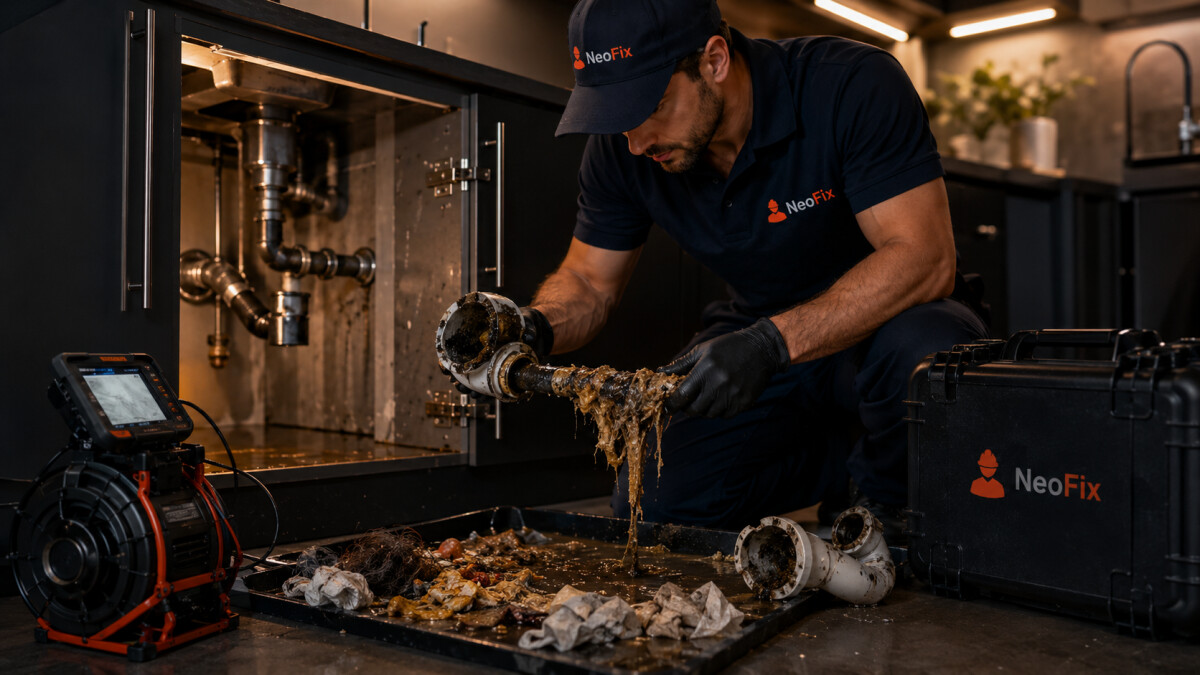
Kitchen sinks often end up with food waste such as fat, oil, vegetable scraps, or starch. Fat is particularly dangerous because it cools inside the pipes and forms a sticky layer that attracts and traps other waste. On top of that, fat forms a sticky mass that's hard to remove — it clings firmly to the inner walls of the pipe and won't come off on its own.
How to avoid it?
- Don't pour fat or oil down the sink. Collect it in a separate container and throw it in the trash.
- Use a sink strainer/screen that stops larger food scraps from getting into the pipes.
- Regularly flush sink pipes with hot water (keep in mind that boiling water can damage the pipes and joints!) or a vinegar-and-baking-soda mixture.
2. Hair and Hygiene Products
In bathroom sinks, hair, soap, and other hygiene products (e.g., toothpaste, creams) often cause pipes to clog. Hair in particular tangles easily inside pipes and blocks the flow.
How to avoid it?
- Install a hair-catching screen in the shower and sink.
- Regularly clean the pipes with a special plumbing brush, chemical drain cleaners (Krot, Domestos…), or natural cleaning agents.
- Avoid letting soap residue build up — using liquid soap instead of traditional bar soap is a better option.
3. Objects Flushed Down the Toilet
One of the main causes of a clogged toilet is flushing objects that don't dissolve in water, such as wet wipes, hygiene wipes, cotton swabs, or sanitary pads.
How to avoid it?
- Throw hygiene waste in the trash bin.
- Only use toilet paper that breaks down quickly.
- Avoid flushing large objects or large quantities of anything down the toilet.
4. Root Intrusion Into Pipes
In outdoor sewage systems, especially in older houses, tree or shrub roots can grow into the pipes — this happens more often than you'd think. It leads to clogs or damage.
How to avoid it?
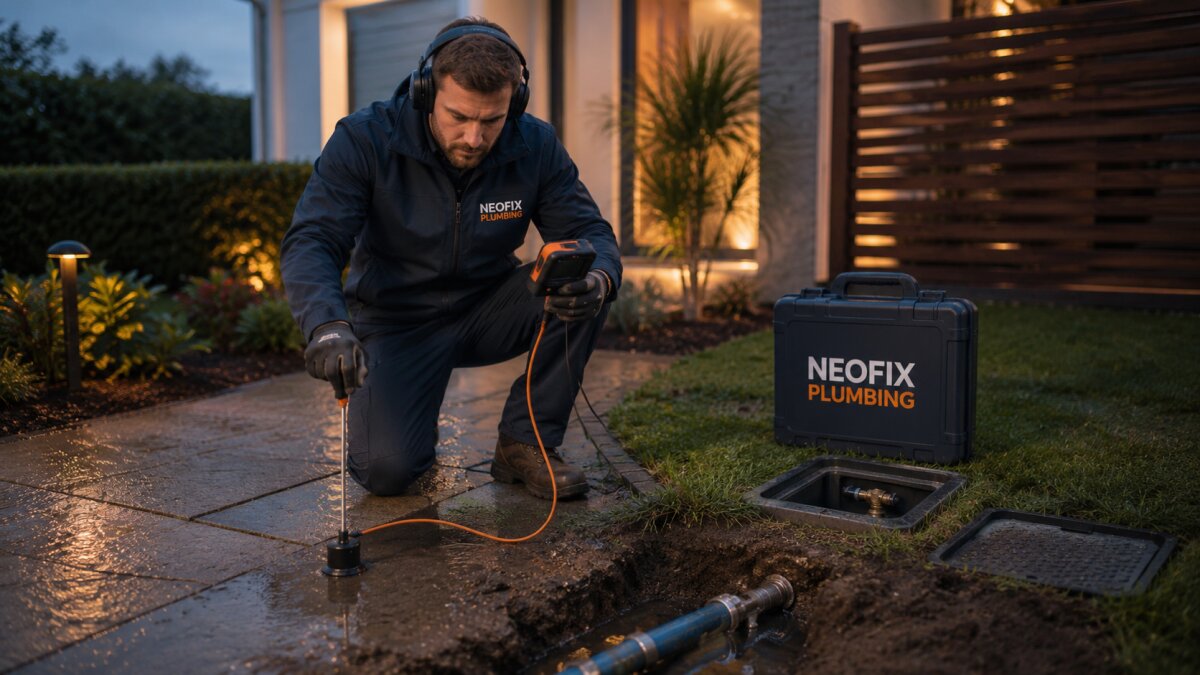
- Regularly inspect the outdoor sewage pipes.
- Avoid planting trees near sewage pipes — keep at least a few meters of distance.
- Call a specialist promptly if you suspect root intrusion, since it can cause serious damage to the entire system.
5. Structural Problems in the Pipes
Old or damaged pipes, incorrect installation, or misaligned pipes can also cause clogs.
How to avoid it?
- Have your plumbing system professionally inspected every 2–3 years.
- Replace old pipes with modern, durable materials such as PVC.
How Do You Know Your Sewage Is Clogged?
The signs of a sewage clog are fairly easy to notice:
- Slow drainage: water drains slowly from the sink, shower, or toilet.
- Bad odor: an unpleasant smell often appears when there's a clog.
- Gurgling sounds: strange noises coming from the pipes.
- Water backing up: water flows back up into the sink, drain, or toilet.
If you notice one or more of these signs, you should act quickly before the problem gets worse.
How to Avoid Sewage Clogs – Preventive Measures
To prevent sewage clogs, keep in mind these professional tips from the NeoFix team:
- Regular cleaning: use natural remedies like vinegar and baking soda to clean pipes every few months. You can also use chemical drain cleaners and solutions, but make sure they're safe for your pipes before using them.
- Use strainers: install strainer screens in sinks and showers to stop hair and larger waste from getting into the pipes and sewage system.
- Proper waste disposal: only throw trash in the appropriate place — never flush garbage or waste down the toilet, as it often leads to serious problems.
- Professional inspection: regularly checking your pipes, sewage system, and overall plumbing will help you avoid unpleasant problems. Our professional plumbers can help with inspecting the system, diagnostics, and cleaning a clogged sewage system quickly and easily! Call us now! 📞555 26 26 62
- Upgrading your plumbing system: if your pipes are old, consider replacing them with a modern system. An old sewage system means constant plumbing problems and unplanned, unexpected costs.
A sewage clog can turn into a major problem before you know it. But knowing the causes and taking preventive measures lets you avoid this hassle altogether.
Sewage clogs can be prevented with the right habits and regular care. Properly managing food waste, hair, hygiene products, and other waste, along with periodic checks of your plumbing system, will help you avoid this unpleasant problem. If a clog does happen, a fast response is important to prevent damage to your plumbing system.
If the problem keeps coming back, read What to Do If Your Sewage Keeps Clogging: Causes and Solutions and How Much Does Sewage Cleaning Cost and When Do You Need a Professional?
Remember, proper use, regular cleaning, and involving professionals — that's the key to a clean, well-functioning sewage system!