
 ქართული
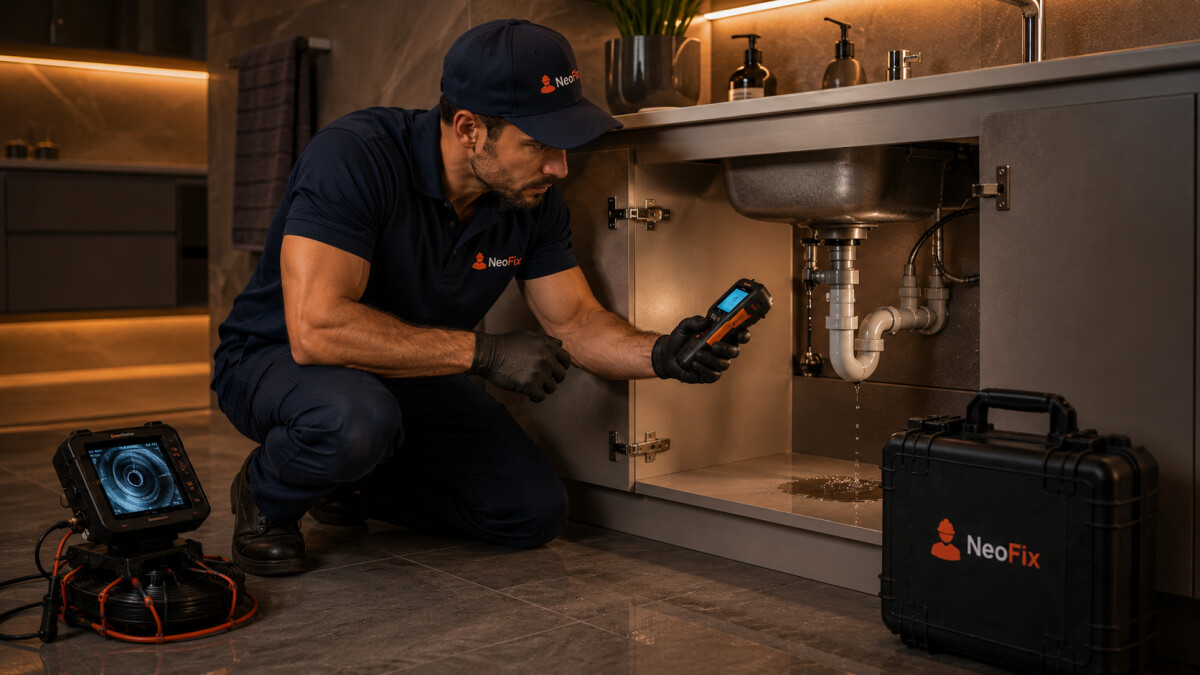
As we already know, sewage systems (drain lines, sinks, drain traps, pipes…) clogging is one of the most common and unpleasant household problems that thousands of people run into every day.
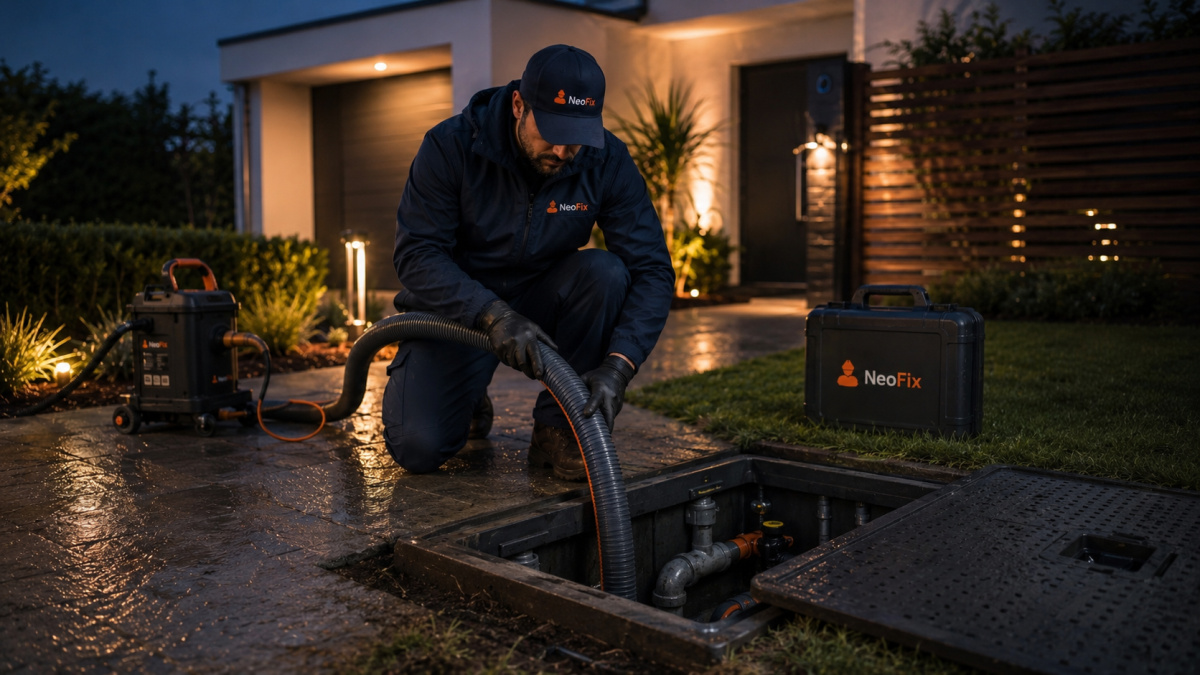
When your sewage system is badly clogged and needs cleaning or pumping, help from NeoFix's professional team becomes essential. But today we'll show you how to handle the problem yourself at an early stage and avoid sewage-related problems altogether!
Causes of Sewage and Pipe Clogs, and How to Avoid Them
The causes of sewage clogs are quite varied, and sometimes we don't even realize what's driving the problem. On top of that, a clog can arise regardless of anything you did, mainly caused by an incorrectly installed system, an outdated system, or a lack of regular preventive cleaning.
What causes sewage clogs:
- Soap and fat buildup: soap residue, oil, and fat getting into the pipes, sink, or drain trap.
- Hair and fur: hair, fur, thread, and similar waste that tangles easily and forms a barrier.
- Food waste: food particles, especially waste that doesn't dissolve in water, often causes blockages.
- Foreign objects: things dropped into the sink or toilet, such as wet wipes, hygiene products, or children's toys.
- Mineral deposits: chemical agents and hard water contain a lot of minerals — calcium and magnesium compounds can build up in the pipes, reducing their capacity and, in many cases, contributing to pipe damage.
- An outdated sewage system: an old, worn-out sewage system can no longer function properly — the pipes are often damaged and clogged from rust and corrosion.
- An incorrectly installed sewage system: installing a sewage system correctly matters for its long-term, trouble-free operation. A poorly chosen, badly installed system often leads to constant problems.
How to avoid clogging sewage pipes, sinks, and toilets:
To prevent your sewage system from clogging, it's important to maintain it properly and follow preventive practices that will spare you these unpleasant problems:
- Regularly clean the pipes and kitchen sink: be sure to clean your sinks, pipes, and sewage system regularly. Cleaning sewage pipes at home is simple, but it can spare you complicated, unpleasant problems.
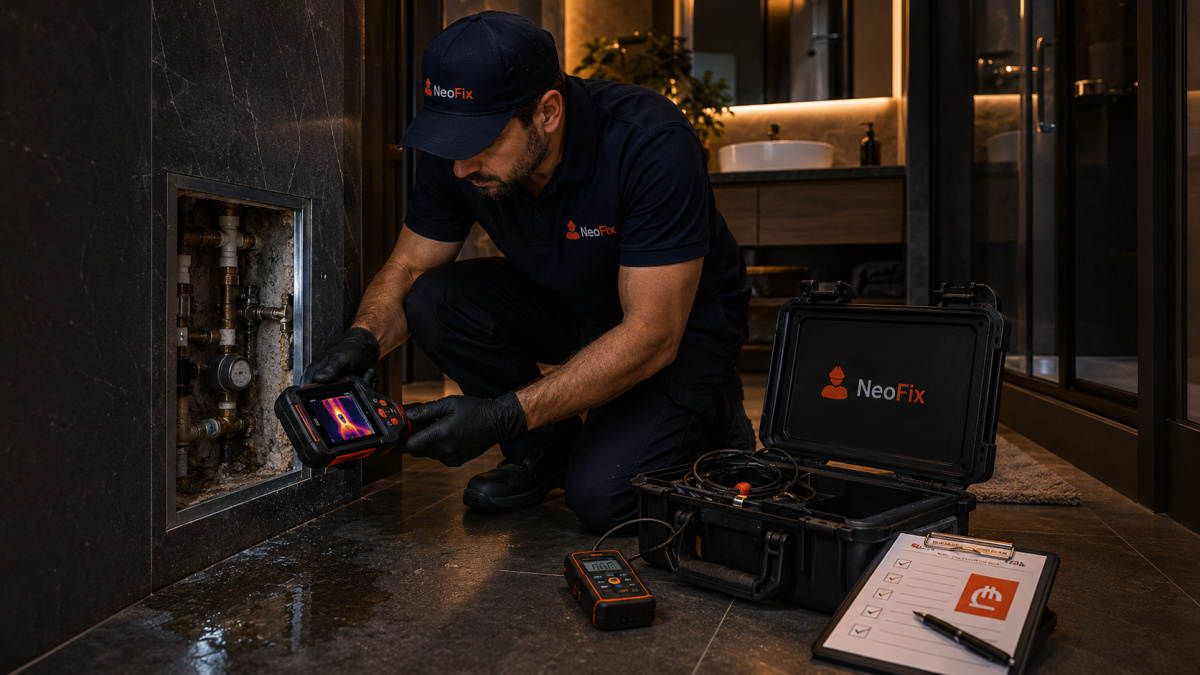
- Regularly inspect the pipes and sewage system: regularly inspecting the full sewage system will keep the problem from escalating and let you fix it at an early stage. A full system inspection and diagnostic check should happen at least once a year in newer houses and buildings, and every 6 months for older systems.
- Use kitchen sink screens, filters, and strainers: be sure to use a special sink screen that stops food waste and larger particles from getting into your pipes. In addition, use special strainers on drains and water traps to stop hair and fur from getting into the pipes.
How to Clean a Clogged Sink, Pipes, and Sewage System at Home:
1. Hot Water and Dish Soap
How it works: hot water and dish soap are effective at removing grease and organic waste. Hot water melts and dissolves fat, while the dish soap helps break it down and remove deposits.
How to do it:
- Boil 2–3 liters of water.
- Add 2–3 tablespoons of liquid dish soap to the sink.
- Slowly pour the hot water into the sink.
- Let it sit for 10–15 minutes, then run hot water to flush the waste out.
Note: if your pipes are plastic, use warm water (50–60°C) instead, to avoid damaging them.
2. Baking Soda and Vinegar – A Natural Cleaner
How it works: baking soda (sodium bicarbonate) and vinegar create a chemical reaction that produces carbon dioxide. This helps loosen and remove waste.
How to do it:
- Pour 1 cup of baking soda into the drain.
- Add 1 cup of vinegar.
- Wait 15–20 minutes while the reaction takes place.
- Flush with hot water.
Tip: this method is especially effective in kitchen sinks where fat residue has built up.
3. Mechanical Cleaning – Using a Plunger
How it works: a plunger creates pressure that helps dislodge stuck objects and paper.
How to do it:
- Make sure there's a small amount of water in the sink/toilet.
- Cover the sink/toilet drain with the plunger and press down several times.
- Continue until the water drains freely.
Tip: if the sink has two drains, block off the second one so the pressure is at its strongest.
4. Using a Plumbing Snake
How it works: a plumbing snake (a wire or spring-shaped tool) physically removes the blockage. You can also use any flexible but sturdy wire you have at home or buy at a hardware store.
How to do it?
- Get a plumbing snake, or use something similar you find at home.
- Insert the snake into the sink or toilet pipe.
- Turn it slowly until you feel resistance.
- Keep going until the waste comes out or the pipe clears.
Tip: wear gloves to avoid any hygiene issues.
5. Chemical Products
How it works: chemical cleaners such as Krot, Bugi, Mr. Muscle, or Domestos contain strong substances that dissolve organic waste.
How to do it?
- Read the instructions carefully.
- Pour the recommended amount into the pipe.
- Let it sit for the specified time.
- Flush with cold water for 15–20 minutes.
Warning: chemical products can be hazardous, so wear gloves and make sure the area is ventilated. Also make sure the product is safe for your pipes before using it.
The methods and recommendations in this article are enough to prevent and fix simple to moderately difficult sewage problems. If none of the methods above solve the problem, it's time to bring in a professional.
NeoFix's team of professionals can handle sewage problems of any complexity: machine sewage cleaning, sewage pumping, sewage system diagnostics and replacement, mechanical drain cleaning, water-jet cleaning… Contact us 24/7: 📞 555 26 26 62
Sewage cleaning at home is possible using the right methods and tools. Regular prevention and proper use will save you from many problems. The key is to follow safety rules and not make things worse with the wrong actions.
Remember: it's always better to prevent a problem than to fix it later. Regular maintenance and proper use determine how long-lasting and efficient your sewage system will be.
By following these recommendations, you'll avoid problems with your sewage system and keep your home comfortable.